
Valve Engineering Hub is an independent, standards-based industrial valve engineering knowledge platform. We provide structured technical content for mechanical engineers, piping engineers, process engineers, procurement specialists, and project professionals working across oil and gas, power generation, chemical processing, LNG, offshore, and water treatment industries. Our platform is organized as an interconnected engineering knowledge framework — from valve selection decision models and international standards interpretation through material qualification, failure analysis, and industry-specific application guidance.
Foundational Modules
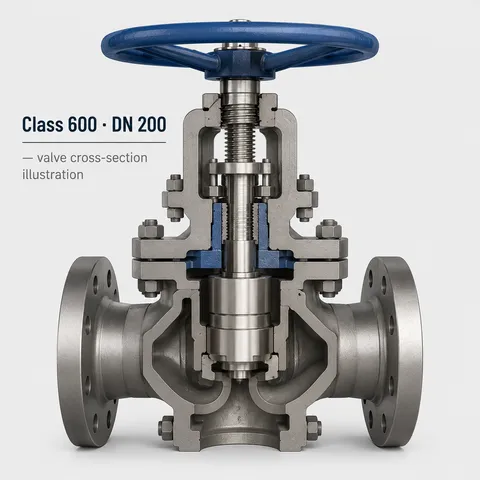
Our three foundational engineering modules cover the complete technical framework for industrial valve specification, design standard compliance, and valve type selection. Each module is structured as a multi-level knowledge cluster, with pillar pages providing decision frameworks and cluster pages providing in-depth technical detail.
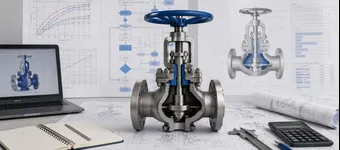
Industrial valve selection is a multi-variable engineering decision that integrates process conditions, pressure class, valve type, seat design, material compatibility, and applicable code requirements into a structured specification outcome.
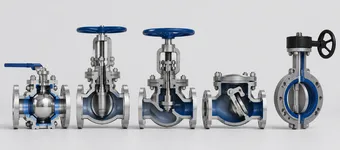
Understanding the mechanical design, operational principles, structural advantages, and limitations of each valve type is fundamental to correct specification. Our valve types module covers all major industrial valve categories with engineering-depth analysis.
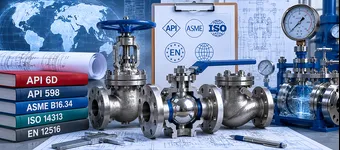
Industrial valve procurement, design, and testing are governed by a hierarchy of API, ASME, ISO, and EN standards that define structural integrity, pressure–temperature ratings, leakage performance, and quality documentation requirements.
Technical Library
Beyond the core selection, type, and standards modules, our technical resource library provides in-depth engineering guidance on valve material qualification and performance in severe service environments, and structured analysis of valve failure mechanisms, root causes, and prevention strategies.
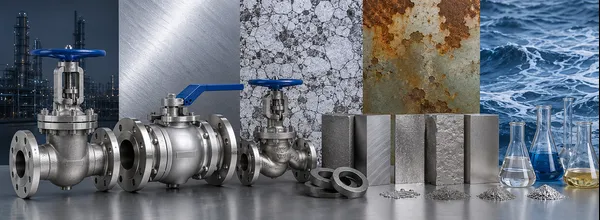
Material selection for industrial valves is a critical engineering decision that must account for operating temperature, pressure, chemical compatibility, corrosion environment, and applicable material qualification standards including NACE MR0175/ISO 15156 for sour service. Incorrect material selection is one of the primary root causes of premature valve failure, leakage, and catastrophic fracture in severe service environments. Our valve materials module provides comparative material analysis, corrosion resistance evaluation, and service-specific material guidance for all major valve body, trim, and seat material families.
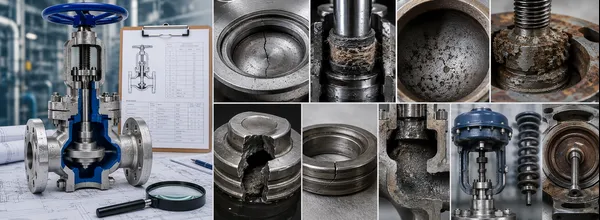
Understanding why industrial valves fail — and how to prevent recurrence — requires structured analysis of the mechanical, material, and operational root causes behind common failure modes including seat leakage, stem packing failure, body erosion, corrosion-induced cracking, and actuator-related failures. Our valve failure analysis module provides systematic failure mode identification, root cause analysis frameworks, and engineering-based prevention strategies for each major failure category encountered in industrial valve service.
Sector Guidance
Valve specification requirements vary significantly between industrial sectors. High-pressure oil and gas pipeline service imposes different standards, material qualification, and performance requirements than LNG cryogenic service, chemical plant toxic fluid isolation, or power plant high-temperature steam service. Our industry applications module provides sector-specific valve engineering guidance that integrates service condition analysis, valve type selection, material qualification, applicable standards, and operational considerations for each major industrial application area.

Oil and gas production, transmission, and processing impose some of the most demanding valve engineering requirements across the full pressure class range — from wellhead isolation at Class 2500 through pipeline transmission at Class 600–900 and refinery process service across all pressure classes. API 6D, ASME B16.34, NACE MR0175, and fire-safe certification requirements combine to define a comprehensive compliance framework that every oil and gas valve specification must satisfy.
Oil & Gas Valve Selection Guide →
LNG service at −162°C imposes extreme demands on valve material toughness, seat sealing integrity, and thermal cycling performance that require specialized design, material selection, and testing beyond standard industrial valve specifications. Cryogenic ball valves, cryogenic gate valves, and cryogenic butterfly valves must be designed and tested specifically for low-temperature service to maintain reliable isolation and bubble tight sealing across the full cryogenic operating range.
LNG Cryogenic Valve Applications →
Chemical processing plants handle a broad spectrum of hazardous, corrosive, toxic, and reactive fluids that impose stringent requirements on valve seat sealing performance, body and trim material chemical compatibility, fugitive emission control, and fire-safe certification. Zero leakage isolation, PTFE-lined construction, and exotic alloy trim are common requirements in chemical service valve specifications that distinguish chemical plant applications from standard industrial valve service.
Chemical Plant Valve Selection →
Power generation applications — including coal, gas turbine combined cycle, and nuclear power plants — require valves capable of reliable performance in high-temperature, high-pressure steam service with demanding cycle life and regulatory compliance requirements. Main steam isolation valves, feedwater control valves, and turbine bypass valves operate under the most thermally demanding conditions encountered in industrial valve service, with ASME B16.34 Class 900–1500 ratings and alloy steel body materials standard for main steam system applications.
Power Plant Valve Applications →Quick Reference
Our Engineering FAQ module provides clear, standards-referenced definitions of the most commonly referenced — and most frequently misunderstood — technical terms, pressure class designations, leakage classification concepts, flange connection types, and material qualification standards in industrial valve engineering.
ASME pressure class designation definition, pressure–temperature rating meaning, and engineering application in high-pressure valve specification
API 598 Class VI zero leakage seat performance definition, test method, and application in soft-seated valve specification
Pipeline valve standard definition, scope, design requirements, testing obligations, and monogram certification explained
Ring Type Joint flange definition, metal ring gasket sealing mechanism, ASME B16.5 governing standard, and high-pressure pipeline applications
Sour service material standard definition, sulfide stress cracking prevention, hardness limits, and oil and gas compliance requirements
About Valve Engineering Hub
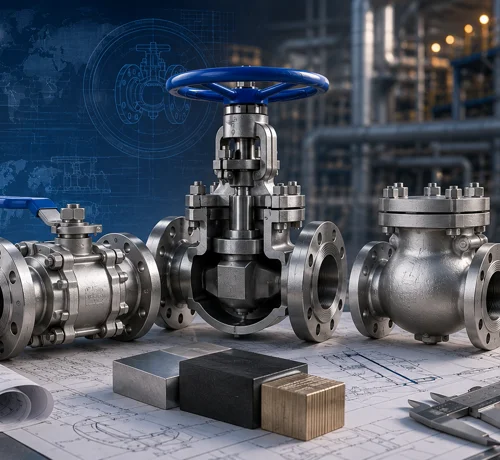
Valve Engineering Hub is an independent, non-commercial industrial valve engineering knowledge platform committed to technical accuracy, editorial neutrality, and long-term knowledge platform development. We do not represent any valve manufacturer, supplier, or commercial organization. Our platform is developed as a long-term whitepaper authority resource for the global industrial valve engineering community — providing the structured, standards-referenced technical content that engineering professionals require to make informed decisions in high-consequence industrial applications.