
The growth of the hydrogen economy—green and blue hydrogen production, pipeline transport, storage and refuelling—has put valves under a pair of challenges no other gas combines so acutely: hydrogen embrittlement of the metal, and fugitive emission of the smallest molecule in industry. Specifying a valve for hydrogen service is therefore primarily a materials and leak-tightness problem, governed by recently updated standards led by API 6D Annex M. This guide explains the engineering challenges of hydrogen service, the embrittlement mechanism, which materials are acceptable and which to avoid, the standards that apply, and a decision model—written manufacturer-neutral with all hardness, temperature and clause values referred to the governing standards.
1. Industry Overview & Valve Role
Overview
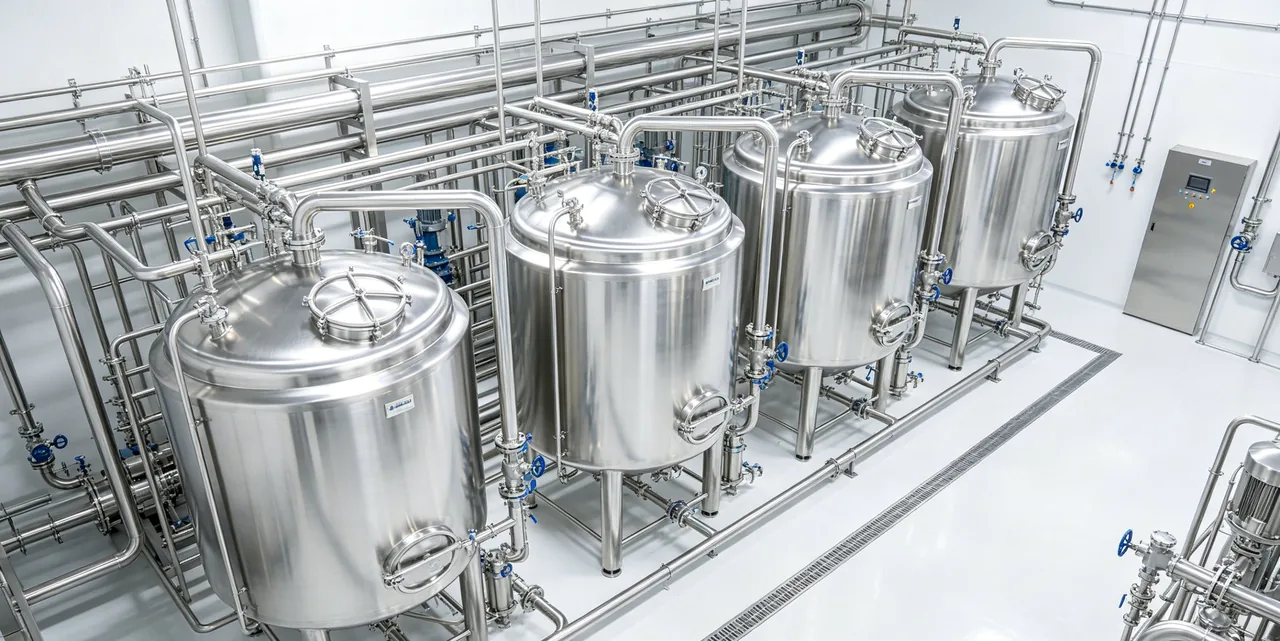
Across the hydrogen value chain—electrolysis and reforming production, compression and pipeline transport, high-pressure storage, and refuelling—valves perform isolation, non-return, venting and flow control. They sit on high-pressure gas systems where the working fluid is a small, highly diffusive molecule, and where safety margins are tight because hydrogen is flammable across a wide concentration range. The valve is a key element of both containment and safety isolation in every hydrogen facility.
Why Selection Is Critical
Hydrogen punishes the wrong material choice. A valve body or trim made from a susceptible alloy can suffer hydrogen embrittlement—loss of ductility leading to cracking and potentially sudden failure of a pressure boundary. A valve with inadequate leak tightness lets hydrogen escape as a fugitive emission, wasting product, creating a flammable atmosphere and undermining the climate case for hydrogen. Because the consequences are safety- and integrity-critical, hydrogen valve selection is driven by embrittlement-resistant materials, controlled hardness and low-emission, fire-safe design to a recognised standard.
2. Operating Conditions & Engineering Challenges
Hydrogen Embrittlement Mechanism
A widely reported and important distinction governs hydrogen embrittlement: molecular hydrogen (H2) does not directly embrittle steel—the H2 molecule is comparatively large and does not readily diffuse into the metal lattice. Embrittlement is caused by atomic hydrogen, single H atoms that are produced when molecular hydrogen dissociates (a process favoured at elevated temperature) or that arise from corrosion and cathodic reactions. Atomic hydrogen is small enough to diffuse into the steel, where it accumulates at grain boundaries and defects, reduces ductility and promotes cracking under stress. Susceptibility rises with higher material strength and hardness, which is why hardness is the key controlled parameter. The specific temperature thresholds and hardness limits are defined in the governing standards and are not asserted here.
Fugitive Emissions and Leak Tightness
Hydrogen's small molecule makes leak tightness uniquely demanding: a sealing arrangement that is gas-tight for methane may still leak hydrogen. Hydrogen valves therefore require demonstrated low fugitive-emission performance at stem and body seals, and fire-safe design so that a seal failure in a fire does not produce uncontrolled release. Fugitive-emission performance is specified and tested to a recognised emission standard (such as the ISO 15848 family), with the required class stated on the datasheet.
Temperature and Pressure
Gaseous hydrogen service is frequently high pressure—particularly storage and refuelling—and spans a temperature range from ambient down toward cryogenic in liquid-hydrogen-adjacent systems. The valve's pressure-temperature rating must be confirmed at the actual operating temperature from the body material rating, and material selection must remain valid (including low-temperature toughness) across the full service envelope.
3. Common Valve Types Used in H2
Hydrogen service uses tight-shutoff, low-emission valve types built from embrittlement-resistant materials:
- Trunnion-mounted ball valves: the workhorse for high-pressure isolation, offering tight, low-emission shutoff and fire-safe design; see Ball Valve for the underlying design.
- Gate valves: for full-bore isolation in certain pipeline duties.
- Check valves: non-return protection on compressor and pump discharge; see Check Valve.
- Control valves: flow and pressure modulation in production and distribution; see Control Valve for control-valve sizing and trim selection in gas service.
Across all types, fire-safe qualification and low fugitive-emission stem sealing are baseline requirements for hydrogen.
4. Material Selection for Hydrogen
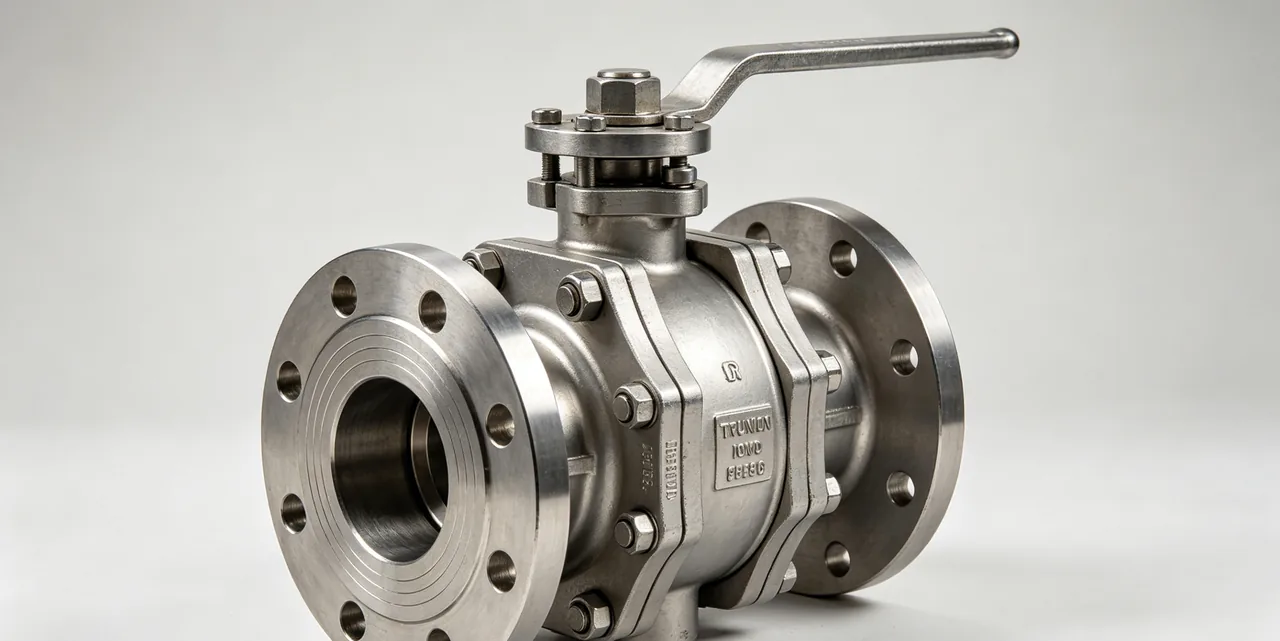
Material selection is the core of hydrogen valve specification. The acceptable and prohibited materials below reflect widely reported hydrogen-service practice; the qualifying lists and the hardness limits are taken from the applicable standards.
Acceptable Materials
Generally accepted for gaseous hydrogen service are austenitic stainless steels (which resist embrittlement well due to their face-centred-cubic structure), certain aluminium alloys, and copper alloys. These are favoured for wetted bodies, trim and seals where the standard's requirements are met.
Materials to Avoid
Materials reported as prone to severe hydrogen embrittlement are avoided: nickel and most high-nickel alloys, high-strength and high-hardness steels exceeding the standard's limits, and grey, ductile and malleable cast irons. Substituting an embrittlement-resistant grade is essential rather than accepting a standard catalogue material.
Hardness Limits
Because embrittlement susceptibility rises with hardness, hydrogen and sour-service standards impose maximum hardness limits on wetted metals. These limits are defined in NACE MR0175 / ISO 15156 and related material standards and are stated on the valve datasheet; the controlling values are taken from the standard rather than assumed here. For the broader material-engineering treatment, see the Valve Materials cluster and the related Materials for H2S Service page, which covers the closely related sour-service hardness-control discipline.
5. Applicable Standards & Certifications
Hydrogen valve specification rests on a recognised, recently updated standards base; the numeric limits and clauses live in the standards:
- API 6D, Annex M — Valves in Gaseous Hydrogen (H2) Service: introduced in the 25th edition, Addendum 2 (2024), this annex gives the design, material and testing considerations specific to hydrogen pipeline and piping valves—the primary modern reference for hydrogen valve specification.
- NACE MR0175 / ISO 15156: material and hardness requirements to resist hydrogen-related cracking, widely applied to control wetted-metal hardness in hydrogen and sour service.
- ASTM F1624 and related test methods: for evaluating and ranking material susceptibility to hydrogen embrittlement.
- Fugitive emission and fire test: low-emission stem sealing to the ISO 15848 family and fire-safe qualification to a recognised fire-test standard, with the required classes stated on the datasheet.
See the Valve Standards cluster for how these interlock with the wider standards landscape.
6. Engineering Decision Model for H2
A repeatable path to a defensible hydrogen valve specification:
- Step 1 — Define the hydrogen duty: gaseous vs liquid-adjacent, the operating pressure and temperature envelope, and the function (isolation, non-return, control).
- Step 2 — Select materials: choose embrittlement-resistant grades (austenitic stainless, aluminium/copper alloys), avoid nickel-rich alloys and cast irons, and control hardness to the NACE MR0175/ISO 15156 limits.
- Step 3 — Choose the valve type: trunnion ball for high-pressure isolation, gate, check or control as the function requires, all fire-safe.
- Step 4 — Set the emission level: specify the fugitive-emission class (ISO 15848) and fire-test qualification appropriate to the hazard.
- Step 5 — Specify testing and documentation: require the relevant material, hardness, emission and fire-test certification to API 6D Annex M and the cited standards.
7. Common Failure Risks
- Hydrogen embrittlement cracking: atomic-hydrogen-induced loss of ductility and cracking in susceptible or over-hard materials—prevented by correct grade and hardness control.
- Fugitive emission through seals: hydrogen escaping at stem and body seals—prevented by low-emission stem sealing and demonstrated emission-class qualification.
- Low-temperature brittleness: loss of toughness at the cold end of the service range—prevented by selecting materials qualified for the minimum operating temperature.
- Fire-condition leakage: uncontrolled release if a seal fails in a fire—prevented by fire-safe design qualification.
Frequently Asked Questions
Does hydrogen cause embrittlement directly?
Not as molecular hydrogen. Molecular H2 is too large to readily diffuse into steel. Embrittlement is caused by atomic hydrogen—single hydrogen atoms produced when molecular hydrogen dissociates (favoured at elevated temperature) or from corrosion and cathodic reactions. Atomic hydrogen diffuses into the metal lattice and reduces ductility, so valve material and hardness control aim to resist atomic-hydrogen embrittlement.
Which materials should be avoided for hydrogen service?
Materials prone to severe hydrogen embrittlement are avoided—notably nickel and most high-nickel alloys, and high-strength or high-hardness steels above the limits set by the governing standard. Grey, ductile and malleable cast irons are also avoided. Austenitic stainless steels, certain aluminium alloys and copper alloys are generally acceptable; the qualifying list and hardness limits are taken from the applicable standard.
What does API 6D Annex M cover?
Annex M of API 6D (introduced in the 25th edition, Addendum 2, 2024) addresses valves in gaseous hydrogen (H2) service. It provides the design, material and testing considerations specific to hydrogen—including embrittlement avoidance, material and hardness requirements, and leak-tightness/fugitive-emission expectations—so pipeline and piping valves can be specified for hydrogen with a recognised standard basis.
What type of valves are used for hydrogen gas service?
Gaseous hydrogen uses tight-shutoff, low-emission valves: trunnion-mounted ball valves for isolation, gate valves, and check valves for non-return, plus control valves for modulation. Fire-safe and low-leakage (fugitive-emission-controlled) designs are required because hydrogen's small molecule makes leak tightness critical. Material and hardness selection to resist embrittlement governs the choice.