
ASME B16.5 is the standard that makes flanged piping interchangeable. It governs the dimensions, pressure-temperature ratings, materials, facings, marking, and testing of pipe flanges and flanged fittings, so that a flange from one manufacturer mates and seals with a flange from another. For valves, B16.5 is the reference behind almost every flanged end connection up to NPS 24, and it works hand in hand with the body rating standard, ASME B16.34.
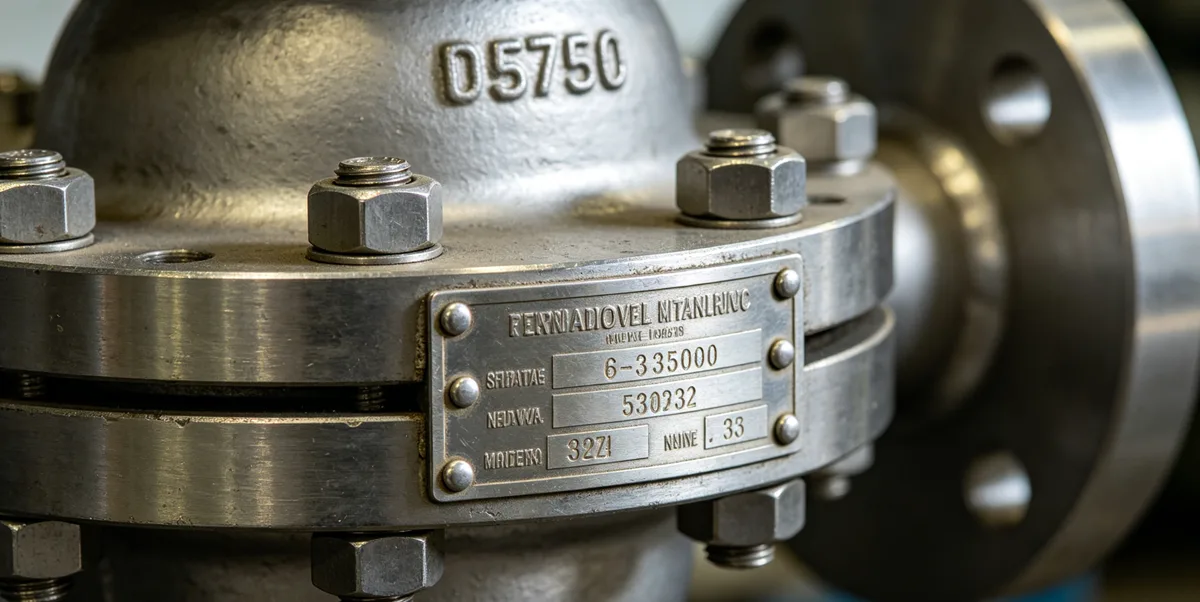
What Is ASME B16.5?
ASME B16.5, Pipe Flanges and Flanged Fittings, covers flanges and flanged fittings in nominal sizes from NPS 1/2 through NPS 24. It defines the bolt-circle and drilling pattern, flange thickness and hub dimensions, facing geometry, material requirements, pressure-temperature ratings, marking, and the testing each component must pass. Because every compliant flange shares the same dimensional and rating basis, components specified to B16.5 are interchangeable between manufacturers—the property that lets engineers design joints without tying a project to a single supplier.
For valves, this matters at the end connections: a flanged valve specified to B16.5 will bolt up to B16.5 flanges of the same class and size with a matching gasket. Larger flanges, above NPS 24, fall under the companion standard ASME B16.47 rather than B16.5.
Pressure Classes and Size Range
ASME B16.5 organizes flanges into seven pressure classes: Class 150, 300, 400, 600, 900, 1500, and 2500. The class is a rating designation, not a pressure in itself—the actual allowable pressure for a given class depends on the flange material and the operating temperature, as set out in the pressure-temperature tables (below). A higher class means a more robust flange with greater bolting and thickness, and therefore a higher allowable pressure at a given temperature.
The standard applies across the NPS 1/2 to NPS 24 size range. Matching the class to the duty—rather than over-specifying—keeps weight, cost, and bolt-up effort reasonable while still meeting the pressure-temperature requirement for the service.
Flange Facing Types (RF, FF, RTJ)
The facing is the surface where the gasket seats, and ASME B16.5 defines the common types used on valve and pipe flanges:
- Raised Face (RF) — the most widely used facing, suited to standard pressure service; the raised area concentrates bolt load onto the gasket.
- Flat Face (FF) — a full-flat facing typically paired with cast-iron or low-pressure equipment, where a raised face could crack a brittle mating flange.
- Ring-Type Joint (RTJ) — a grooved facing that seals with a metal ring gasket for high-pressure, high-temperature service, giving a robust metal-to-metal seal.
The facing must be consistent on both halves of a joint and matched to the correct gasket. Facing choice rises with class and severity—RF for general duty, RTJ for the higher classes and demanding temperatures.
Pressure-Temperature Ratings Explained
The heart of ASME B16.5 is its pressure-temperature rating system. A flange's allowable working pressure is a function of three things together: its pressure class, the material group it is made from, and the operating temperature. As temperature rises, the allowable pressure for a given class and material falls. The standard captures this in an extensive set of rating tables—covering the material groups across the full temperature range—rather than a single value.
To use the system correctly, identify the flange material's group, then read the allowable pressure for your class at the actual operating temperature from the corresponding table. The key engineering discipline is never to quote a class as if it were a fixed pressure, and never to carry a rating across to a different material or temperature. Because the exact figures are defined in the standard's tables and revised by edition, specify and verify them directly against the current ASME B16.5 tables for the specific material and condition rather than from memory. This mirrors the body-rating logic of ASME B16.34.
Material Groups
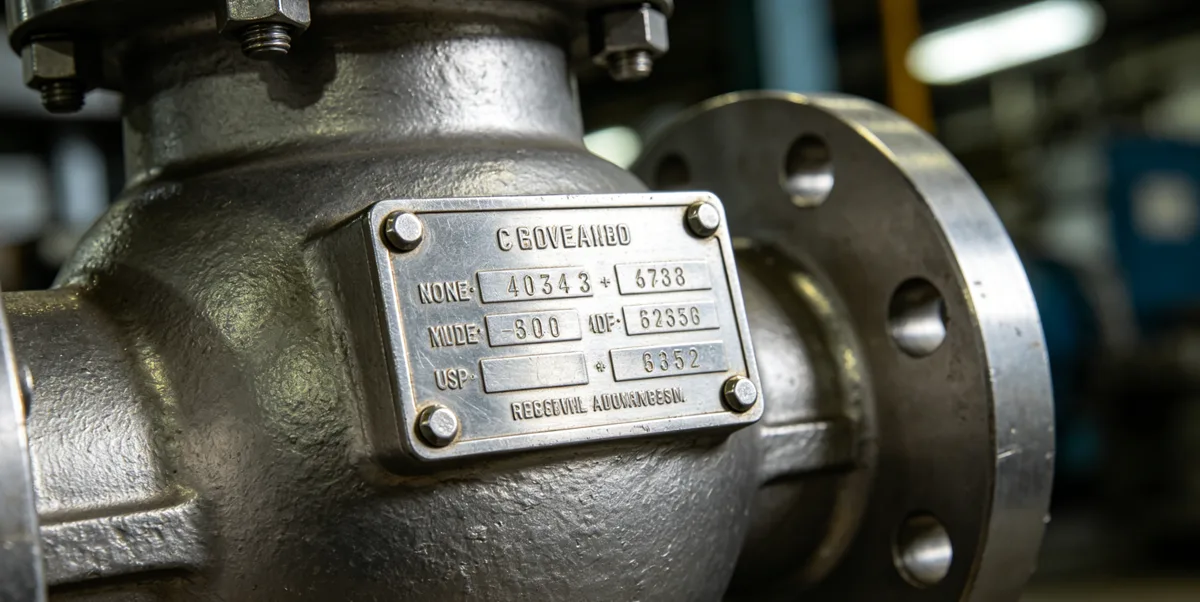
ASME B16.5 sorts flange materials into groups that share a common pressure-temperature rating behavior. At a high level these span carbon and low-alloy steels, chrome-nickel (stainless) steels, and non-ferrous alloys, each subdivided by specific material specifications. The material group is what links a physical flange to the correct rating table—two flanges of the same class can have different allowable pressures because they belong to different groups.
Selecting the group is therefore both a mechanical and a corrosion decision: the material must suit the service chemistry (see the valve materials guide) and also deliver the required rating at temperature. Material certification to EN 10204 3.1 is commonly specified to document that the supplied material matches the group claimed.
Relationship with Other Standards
ASME B16.5 does not stand alone. It pairs with ASME B16.34, which rates the valve body itself, so that body and flanged ends share a consistent pressure-temperature basis. Face-to-face and end-to-end installation lengths are governed by ASME B16.10, ensuring a flanged valve fits the space the piping allows. Flanges larger than NPS 24 move to ASME B16.47. Together these standards let a flanged valve be specified, fitted, and rated as a coherent assembly.
ASME B16.5 in Engineering Practice
On a datasheet, B16.5 shows up wherever a flanged connection is called for: the class, facing, and material group of the valve's flanged ends are stated so they match the mating pipe flanges and gasket. Getting this right is what guarantees a leak-tight, interchangeable joint and avoids the field problem of mismatched facings or under-rated flanges. For the wider workflow of turning process conditions into a complete valve specification, see how to select an industrial valve, and for the full standards landscape, the valve standards overview.
Frequently Asked Questions
What pressure classes does ASME B16.5 cover?
Seven classes: 150, 300, 400, 600, 900, 1500, and 2500. The class is a rating designation; the actual allowable pressure depends on the flange material and temperature per the standard's pressure-temperature tables.
What size range does ASME B16.5 apply to?
Pipe flanges and flanged fittings from NPS 1/2 through NPS 24. Larger flanges are covered by ASME B16.47.
What is the difference between RF, FF, and RTJ flange facings?
Raised Face (RF) is the general-purpose facing; Flat Face (FF) suits cast-iron and low-pressure equipment; Ring-Type Joint (RTJ) uses a metal ring gasket for high-pressure, high-temperature metal-to-metal sealing.
How does ASME B16.5 relate to ASME B16.34?
B16.5 rates the flanged connection while B16.34 rates the valve body; specified together they give the valve and its ends a consistent pressure-temperature basis.